How to become a Chief Data Officer
In the modern digital economy, data is no longer a byproduct of business; it is the engine. As organizations race to integrate Generative AI and predictive analytics into their core strategy, the role of the Chief Data Officer (CDO) has transitioned from a back-office compliance function to a high-stakes executive powerhouse.
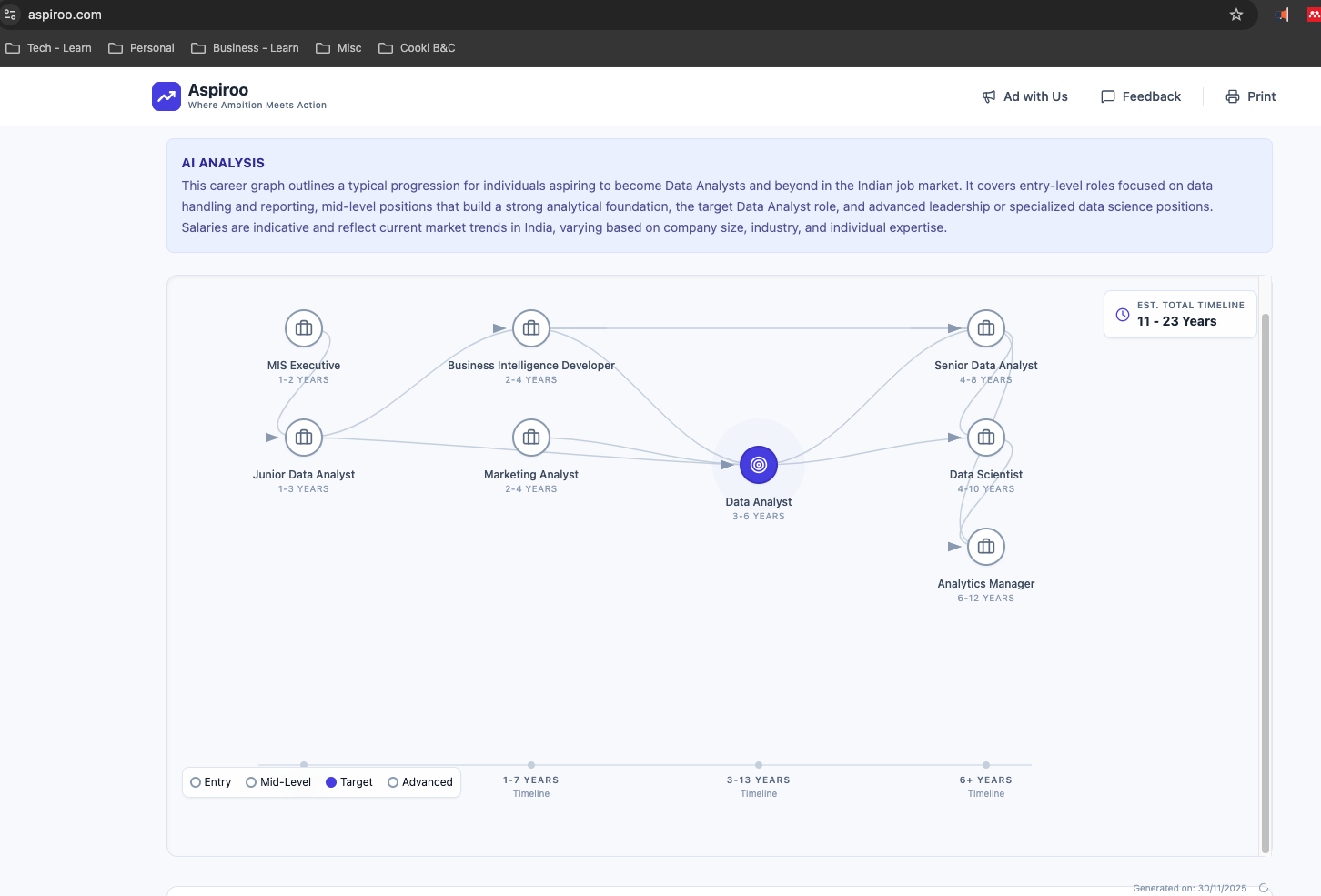
In the modern digital economy, data is no longer a byproduct of business; it is the engine. As organizations race to integrate Generative AI and predictive analytics into their core strategy, the role of the Chief Data Officer (CDO) has transitioned from a back-office compliance function to a high-stakes executive powerhouse.
Becoming a CDO is a 15-year marathon that requires a rare fusion of technical mastery, business acumen, and political savvy. This guide outlines the practical, step-by-step roadmap to reaching the data crown.
Phase 1: The Educational Foundation
While there is no single "CDO degree," the barrier to entry is high. Industry data shows that approximately 80% of CDOs hold an advanced degree.
- Technical Undergraduate: Start with a degree in Computer Science, Statistics, Mathematics, or Engineering. This provides the "mathematical intuition" required to judge the validity of AI models later in your career.
- The Hybrid Graduate Path: The most competitive CDO candidates often possess a "Hybrid Profile." This usually means a technical Master’s (Data Science or MS in Analytics) paired with an MBA.
- Continuous Certification: As you progress, certifications in Data Governance (DAMA), Cloud Architecture (AWS/Azure), and AI Ethics are essential to prove you are current with the pace of technology.
Phase 2: Early Career (Years 0–5) — The Technical Soldier
Before you can lead a data organization, you must earn "street cred" in the trenches.
- Target Roles: Data Analyst, Data Engineer, or Junior Data Scientist.
- The Mission: Master the stack. You need to be proficient in SQL, Python, and the mechanics of ETL (Extract, Transform, Load).
- Key Skill: Data Storytelling. Don’t just pull numbers; learn to explain what they mean to a non-technical manager. If you can't explain a p-value to a sales lead, you won't survive the C-Suite.
Phase 3: Mid-Career (Years 5–10) — The Specialist Lead
This is the most critical transition. You must move from "doing the work" to "enabling the work."
- Target Roles: Analytics Manager, Data Architect, or Senior Data Scientist.
- The Mission: Transition into people management and project oversight.
- The Shift: Stop writing code for 40 hours a week. Start focusing on hiring, mentoring, and budget management.
- Key Skill: Business Translation. Start asking, "How does this model impact our P&L (Profit and Loss)?" instead of "How accurate is this model?"
Phase 4: Senior Leadership (Years 10–14) — The Strategist
To bridge the gap to the executive level, you must move beyond departmental goals and start thinking about the entire enterprise.
- Target Roles: VP of Data, Head of Business Intelligence, or Director of Data Governance.
- The Mission: Focus on Data Governance and Ethics. This is the "shield" of the CDO. You must implement frameworks that ensure data quality, security, and compliance (GDPR/CCPA).
- Key Skill: Change Management. Being a CDO is 70% culture change. You must convince skeptical department heads to trust data over their "gut feeling."
Phase 5: The Executive Leap (Year 15+) — The CDO
The final step is the transition to the C-Suite. At this level, your technical skills are assumed; your value is now entirely strategic.
- Reporting Lines: In leading firms, 40% of CDOs now report directly to the CEO rather than the CIO or CTO.
- The Mission: Data Monetization. You are responsible for turning data into a revenue stream. This involves identifying new market opportunities, optimizing operations, and advising the Board of Directors on AI risk.
- Key Skill: Executive Presence. You must be able to present to the Board, handle high-pressure media inquiries, and negotiate multi-million dollar vendor contracts.
The "Great Skill Pivot"
The biggest hurdle for data professionals is failing to realize that the skills that make you a great analyst will not make you a great CDO.
| Skill Type | Junior Analyst | Chief Data Officer |
| Technical | 90% (Coding, SQL) | 10% (Reviewing Strategy) |
| Soft Skills | 10% (Teamwork) | 90% (Influence, Politics, Vision) |
Practical Checklist for Aspiring CDOs
If you want to accelerate your journey, do these three things immediately:
- Rotate Functions: Spend a year in a "business" role like Marketing or Finance. Understanding their pain points will make you a better data leader.
- Find a Sponsor: You need an executive advocate who understands the ROI of data and can pull you into high-level meetings.
- Master Governance: Don't ignore the "boring" stuff. A CDO who doesn't understand data privacy is a liability, not an asset.
Conclusion
The journey to becoming a Chief Data Officer is rigorous, but the rewards are substantial. As the world moves toward an "AI-First" reality, the CDO is becoming the most influential person in the boardroom. Focus on the transition from technologist to business strategist, and the path to the C-Suite will open before you.